
Building a Custom Home in Biloxi, MS: Areas, Lots, and What to Know
· By Lino Aviz
Building a custom home in Biloxi, MS starts with a fact most out-of-town buyers underestimate: the city has water on three sides. The Gulf of Mexico and the Mississippi Sound are to the south, and the Biloxi Back Bay wraps around the north side of the peninsula. That geography is a big part of why people love living here, and it is also the reason your lot, your foundation and your floor height matter more in Biloxi than in many inland towns.
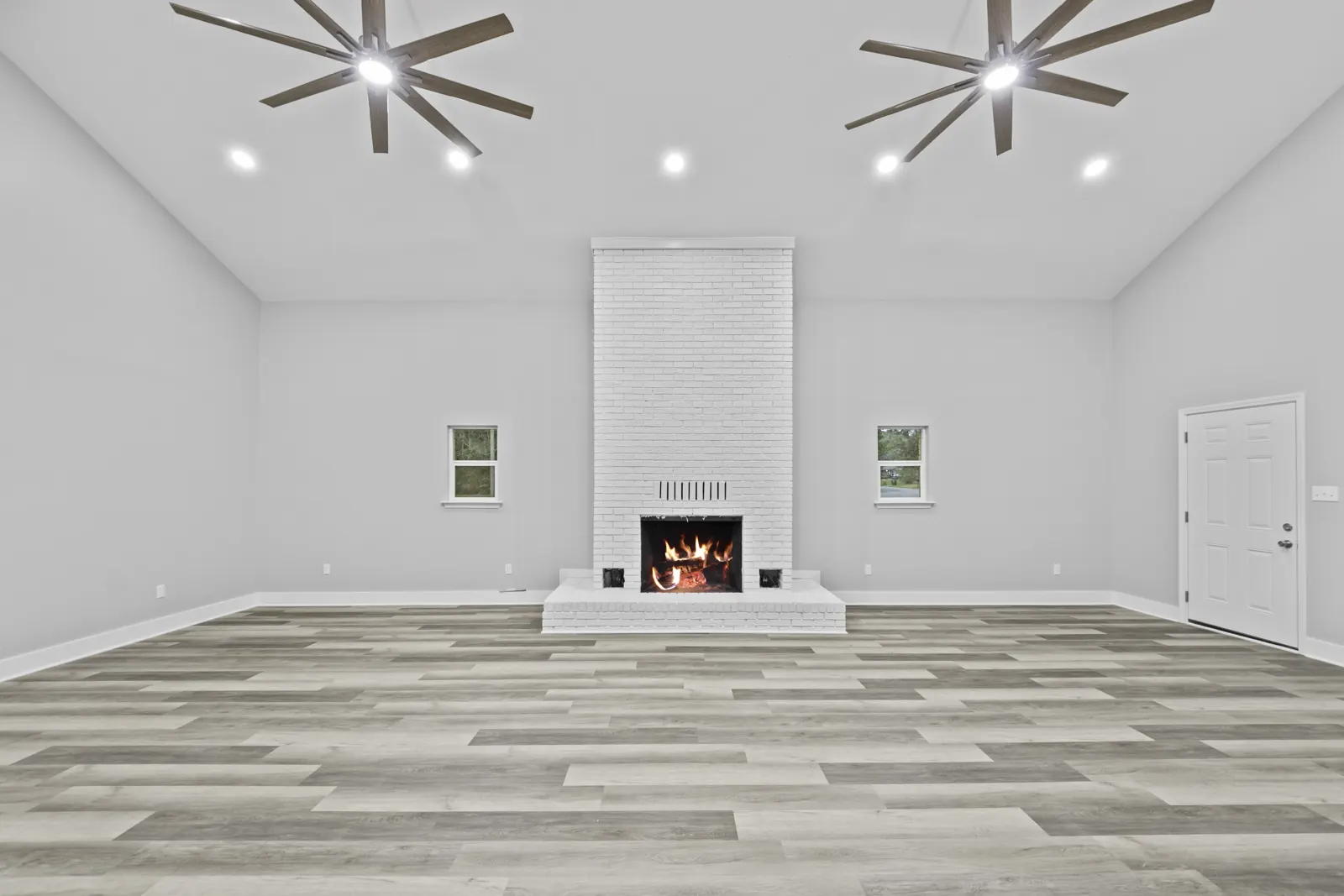
We build in Biloxi, including a home on Portlando Circle with a vaulted living room, a white shaker kitchen and a walk-in closet with built-in shelving. This guide covers what we tell every family before they buy land here: how the main areas of the city differ, how flood zones and elevation rules work after Katrina, who issues permits, and what wind exposure means for your plans.
Biloxi Areas and How They Differ for New Construction
Biloxi is not one uniform market. East Biloxi, which includes the Point Cadet peninsula, is the historic heart of the city, close to the water, the casinos and the seafood heritage. Lots there tend to be older, smaller and closer to sea level, so infill building is common and flood rules usually drive the design.
West Biloxi runs along the beach toward Gulfport and mixes established neighborhoods with occasional open lots. North Biloxi sits on the other side of the Back Bay, and Woolmarket, which became part of the city in 1999 and covers roughly 34 square miles according to the City of Biloxi, is where many buyers find larger, more rural tracts and more room for a custom layout. D'Iberville is a separate city across the Back Bay, so a lot there falls under different rules even if it feels like part of Biloxi.
As a rough guide, the farther you get from the beach and the bay, the more design freedom you tend to have. That is not a rule, though. Every parcel has its own flood map designation, and some inland lots sit near creeks or low ground that changes the picture.
Flood Zones in Biloxi: VE, AE and What They Mean for Your Lot
FEMA flood maps (FIRMs) assign every Biloxi property a zone. Near the open Gulf shoreline you may see VE zones, the coastal high hazard areas where waves are expected during a major storm. In a VE zone, homes are typically built on an open foundation such as pilings or columns, and enclosed space below the flood elevation is heavily restricted. That shapes everything from where the garage goes to how much the foundation costs.
AE zones are common around the bay and in lower parts of the city. They carry a base flood elevation (BFE), and the lowest floor has to be built at or above it. Lots north of I-10 and in parts of Woolmarket are more often in moderate or minimal risk zones, but you should never assume. Check the specific parcel on FEMA's map and with the city before you sign a contract on land.
Elevation Rules After Katrina
Hurricane Katrina in 2005 changed how Biloxi builds. After the storm, FEMA issued advisory base flood elevations that were much higher than the old maps, and the city adopted them for rebuilding. Today, according to City of Biloxi flood zone information, new construction in a flood zone must have its lowest floor at least one foot above the base flood elevation. That extra foot is called freeboard.
The city also applies the substantial improvement rule: if work on an existing home (an addition, a renovation or storm repair) equals or exceeds 50 percent of the building's value, the whole structure has to meet current flood rules as if it were new. That matters if you are weighing whether to renovate an older East Biloxi house or tear it down and build new.
Practically, elevation affects stairs, driveway slope, accessibility, the look of the front elevation and the budget. A good design treats the raised floor as a feature, with porches, views and covered parking below, instead of an afterthought.
Permits: City of Biloxi vs. Harrison County
If your lot is inside city limits, building permits, flood zone review and elevation certificates go through the City of Biloxi Community Development Department, at 676 Dr. Martin Luther King Jr. Blvd. The city also has a floodplain manager who can confirm the zone and the required elevation for a specific address.
If the land is outside city limits in unincorporated Harrison County, the county handles permitting. After Katrina, Mississippi required the coastal counties, Harrison included, to enforce the wind and flood provisions of the International Residential Code, so building in the county is not a way around storm standards. Either way, plan on a survey, an elevation certificate when the lot is in a flood zone, plan review and several inspections during the build.
Rules and map panels get updated, so confirm the current requirements with the building department or floodplain manager before you finalize plans. Your lender and insurance agent will also want to see the flood zone and the elevation certificate.
Designing for Wind on the Gulf Coast
Biloxi sits in one of the most hurricane-exposed stretches of the U.S. coast, so wind design is part of every plan, not an upgrade. Code-required items typically include a continuous load path from roof to foundation (straps, hurricane clips and anchor bolts), properly fastened roof sheathing, and impact protection for windows and doors.
Many owners here also look at the IBHS FORTIFIED program, a public standard for stronger roofs and homes. A FORTIFIED roof often comes up in insurance conversations on the Gulf Coast, so ask your insurance agent how it would affect your policy before deciding. The roof shape, overhang depth and garage door rating are worth discussing early, because they are hard to change once framing is done.
Choosing a Biloxi Lot: A Practical Checklist
Before you buy land, check these items: the FEMA flood zone and base flood elevation, whether a survey shows the lot is buildable for the house size you want, utilities (city water and sewer or well and septic, more common in parts of Woolmarket), drainage and fill rules (the city has its own fill permit), setbacks and zoning, and access for trucks and equipment.
Then compare the true cost of each lot, not just the price tag. A cheaper parcel in a VE zone can end up costing more once pilings, engineering and insurance are counted than a pricier lot farther north. Getting a builder to walk the land with you before closing is one of the cheapest ways to avoid an expensive surprise.
At Supreme Contractors Group, Lino Aviz runs every project personally and handles the lot review, budget, permits, inspections, subcontractors and suppliers. We are a family building business with 20+ years in U.S. construction, licensed in Mississippi as a residential home builder (license #16532) and insured. If you are thinking about building in Biloxi, a free consultation is a good place to start, and we can talk in English, Portuguese or Spanish.
Frequently asked questions
- Do I need to elevate a new home in Biloxi?
- If the lot is in a FEMA flood zone, yes. City of Biloxi rules require the lowest floor of new construction to be at least one foot above the base flood elevation. Lots outside mapped flood zones have fewer requirements, so confirm the zone for your exact parcel with the city floodplain manager.
- Who issues building permits for a home in Biloxi?
- Inside city limits, the City of Biloxi Community Development Department handles building permits, flood review and elevation certificates. Land outside city limits in unincorporated Harrison County is permitted by the county, which also enforces wind and flood code provisions.
- Which part of Biloxi has the most room for a custom home?
- Woolmarket, annexed into Biloxi in 1999, generally offers larger and more rural tracts than East or West Biloxi, which are older and more built out. Lot size, utilities and flood zone still vary parcel by parcel, so review each lot individually.
- Can I renovate an older Biloxi home instead of building new?
- Often yes, but if the renovation or addition reaches 50 percent of the building's value, Biloxi treats it as a substantial improvement and the whole house must meet current flood rules. Get an estimate and a flood review before deciding between renovating and rebuilding.
Related services
Serving
Found this helpful? Make us a preferred source on Google.
Ready for an exact price?
Get a free, no-pressure in-home estimate. Real numbers for your home, not a phone guess.