
Building a Custom Home in Gulfport, MS: Neighborhoods, Lots, and Local Considerations
· By Lino Aviz
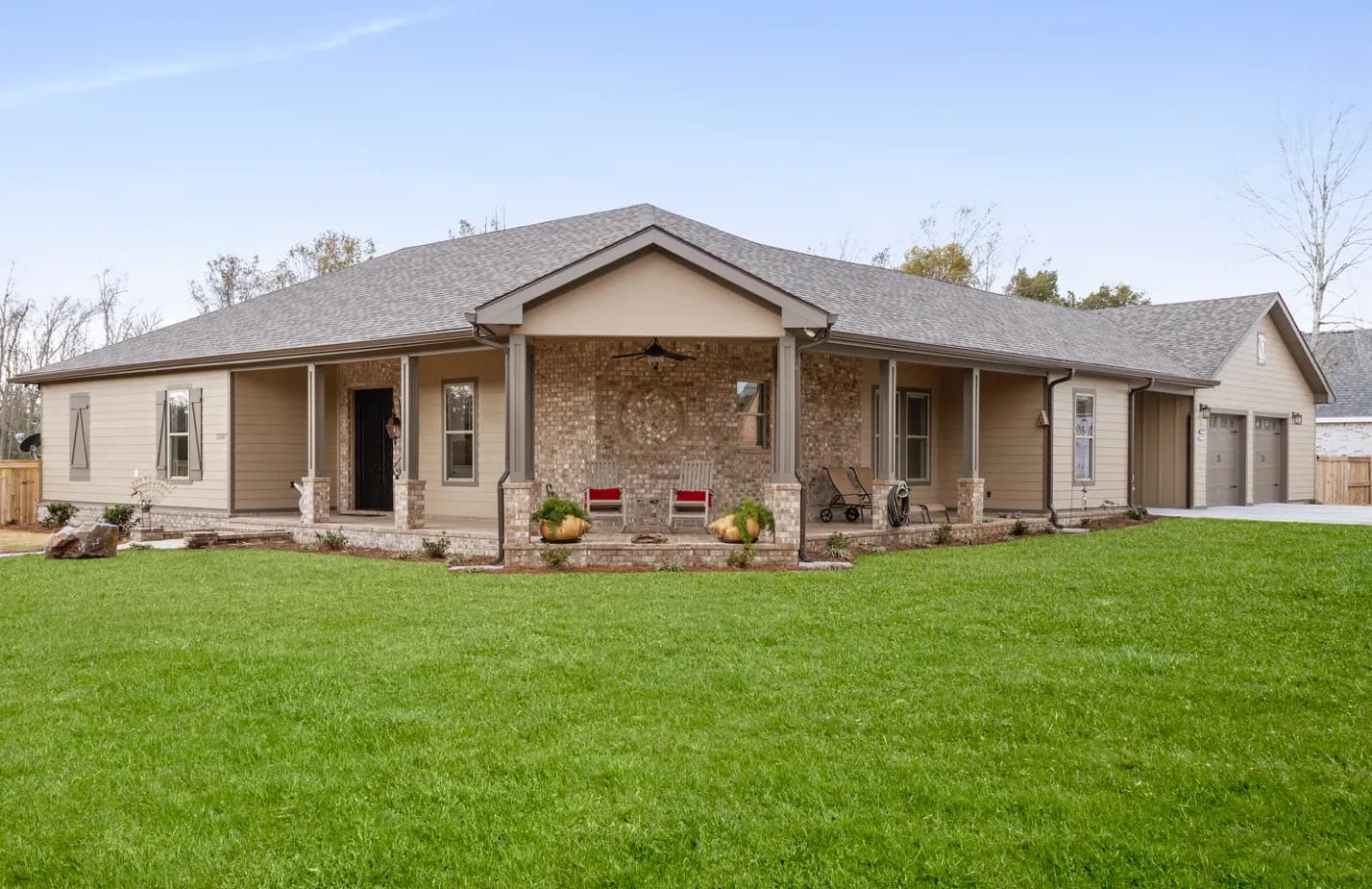
Building a custom home in Gulfport, MS starts long before anyone pours a slab. The lot you pick decides a big part of your budget, your foundation, your insurance, and even which office reviews your plans. Gulfport is one city on paper, but a lot two blocks from the beach and a lot north of the interstate are very different projects.
I have built homes across the Mississippi Gulf Coast, including a ranch home in Gulfport with a stone front porch, a chef kitchen and a game room. This guide walks through what I tell families before they sign on a piece of land: how the areas differ, what to check on a lot, and what the permit and flood review process looks like.
How Gulfport changes from the beach to the north side
Near the water, along and just inland from U.S. Highway 90, you find the older parts of town. East Beach and the Second Street area sit here. The Second Street Historic District, listed on the National Register of Historic Places, covers roughly 25 acres a little over a mile east of downtown, just south of the CSX railroad, with dozens of early 1900s houses. Infill lots in this part of town are scarce, often narrow, and usually sit closer to mapped coastal flood areas.
Moving north, you reach established neighborhoods like Bayou View and Mississippi City, then the newer growth areas past Interstate 10: North Gulfport, Orange Grove, Lyman and, toward the east, the Woolmarket area. The Turkey Creek Community, settled by formerly enslaved African Americans in 1866 and listed on the National Register in 2007, is also in north Gulfport. North of the interstate you are more likely to find larger lots, subdivisions with open parcels, and land that has never been built on.
Neither side is better. The beach side gives you walkability and character, with more site work and flood design to plan around. The north side often gives you more room per dollar, with its own questions about drainage, wetlands and utilities.
City of Gulfport or Harrison County: who issues your permit
A Gulfport mailing address does not always mean the lot is inside the city limits. Lyman, for example, is an unincorporated census-designated place in Harrison County, and parts of the Woolmarket area are unincorporated as well. Whether the lot is in the city or the county decides which building department, zoning rules and floodplain manager you deal with.
Inside the city, the Department of Urban Development handles building codes, land use, the Planning Commission and floodplain information for properties in special flood hazard areas. Outside the city, Harrison County handles permits and inspections. Before you buy, confirm the jurisdiction with the parcel number, then call that office and ask about setbacks, minimum elevation, and any special rules for the zoning district.
If the lot is in a historic district like Second Street, ask early whether design review applies. It can affect porches, rooflines and materials, and it is easier to design for it from the start than to redraw plans later.
Flood zones: why two lots in the same city can be very different
FEMA Flood Insurance Rate Maps for Harrison County show both Zone AE and Zone VE areas around Gulfport, and some coastal panels list base flood elevations in the mid-teens (in feet). VE zones carry wave action, which usually means building on piles or columns with an open or breakaway ground level. AE zones typically call for raising the lowest floor to or above the base flood elevation, often on a raised slab or stem wall.
Inland lots, including many north of I-10, are often mapped in Zone X, which is a lower-risk designation. Lower risk is not zero risk, though. Bayous, creeks like Turkey Creek and Bernard Bayou, and low spots in a subdivision can still flood in heavy rain. Look up the lot on the FEMA Flood Map Service Center (msc.fema.gov), then ask the floodplain manager whether local rules add extra height, called freeboard, above the base flood elevation.
Flood zone also shapes cost over the life of the home. Before closing on land, get a flood and homeowners insurance quote and ask your lender what they will require. Building higher than the minimum, or building to a hurricane standard like the IBHS FORTIFIED Home program, is worth discussing with your insurance agent, since it can affect premiums.
Soil, drainage and site prep on the Coast
Much of coastal Harrison County has soils that stay wet. The NRCS soil survey for the county notes that a high water table makes a soil poorly suited to basements, and clayey or wet soils are poorly suited to septic absorption fields. That is one reason you see very few basements in Gulfport and why most homes here sit on slabs or raised foundations.
Before buying, walk the lot after a hard rain. Standing water, ditches that never drain, or cattails are signs to slow down. A soil test (geotechnical report) tells the engineer what the foundation needs, and a survey shows how the lot drains toward the street or a neighbor. If any part of the land could be a wetland, check before you clear it, because federal and state rules apply.
Also confirm utilities. Many lots inside the city have public water and sewer at the street, while some rural parcels need a well, a septic system or a long sewer tap. Those items can change your budget a lot, so get them in writing before closing.
A simple checklist before you buy a lot in Gulfport
Confirm jurisdiction (city or county) and zoning. Pull the FEMA flood zone and base flood elevation. Ask the floodplain manager about freeboard. Order a survey and, if possible, a soil test. Check utilities, easements and any subdivision covenants (some neighborhoods set minimum square footage, roof pitch or exterior materials). Get insurance quotes. Ask your lender about construction loan or construction to permanent loan options and what they need from the builder.
Then bring the builder in before you sign. A builder can look at the lot, the setbacks and the flood requirements and tell you whether the house you have in mind fits, and roughly what the foundation and site work will involve. As a rough guide, site and foundation costs vary more from lot to lot than almost any other line in a custom home budget.
Planning the house itself for Gulfport living
On the Coast, the floor plan and the structure go together. Covered porches give shade and a place to sit through humid summers. A hip roof, good roof deck attachment and sealed roof seams help in high winds. Raised homes can use the space below for parking and storage where the code allows it. Inside, many families ask for open kitchens with a big island and a bonus or game room, like the ranch home we built in Gulfport.
Think about moisture too. Good ventilation, the right vapor control for a hot humid climate, and a properly sized HVAC system matter as much as the finishes you see.
Working with a local builder in Gulfport
At Supreme Contractors Group we are a family building business based in Ocean Springs, and we build custom homes across the Coast, including Gulfport. We are licensed by the Mississippi State Board of Contractors as a residential home builder (license #16532) and insured. I run every project personally, from the lot and budget to permits, inspections, subcontractors and suppliers, and I speak English, Portuguese and Spanish.
If you are looking at land in Gulfport, or already own a lot, we offer a free consultation. Bring the address and we will talk through the flood zone, the site work and what it takes to build the house you want there.
Frequently asked questions
- Do I need a permit from the City of Gulfport or Harrison County to build a house?
- It depends on where the lot is. Lots inside the city limits go through the City of Gulfport Department of Urban Development, while unincorporated areas such as Lyman go through Harrison County. A Gulfport mailing address alone does not tell you, so confirm with the parcel number.
- Is it harder to build a custom home near the beach in Gulfport?
- Usually there is more to plan. Lots near the water are more likely to be in FEMA Zone AE or VE, which can require elevated foundations, and infill lots in older areas are often smaller. Inland lots tend to have simpler flood requirements but can have drainage or utility questions.
- How do I find the flood zone for a lot in Gulfport, MS?
- Search the address on the FEMA Flood Map Service Center at msc.fema.gov to see the flood zone and base flood elevation. Then ask the local floodplain manager whether any extra elevation (freeboard) is required, and get an insurance quote before you buy.
- Can I build a house with a basement in Gulfport?
- It is rare. Much of coastal Harrison County has a high water table and wet soils, which the NRCS soil survey describes as poorly suited to basements. Most homes in Gulfport are built on slabs or raised foundations.
Related services
Serving
Found this helpful? Make us a preferred source on Google.
Ready for an exact price?
Get a free, no-pressure in-home estimate. Real numbers for your home, not a phone guess.