
Building a Custom Home in Ocean Springs, MS: Neighborhoods, Lots, and Local Rules
· By Lino Aviz
Building a custom home in Ocean Springs, MS starts long before anyone pours a slab. It starts with the lot, and in this town the lot decides more than most people expect: the flood zone, the trees you can and cannot remove, whether a historic review applies, and even which government office issues your permit.
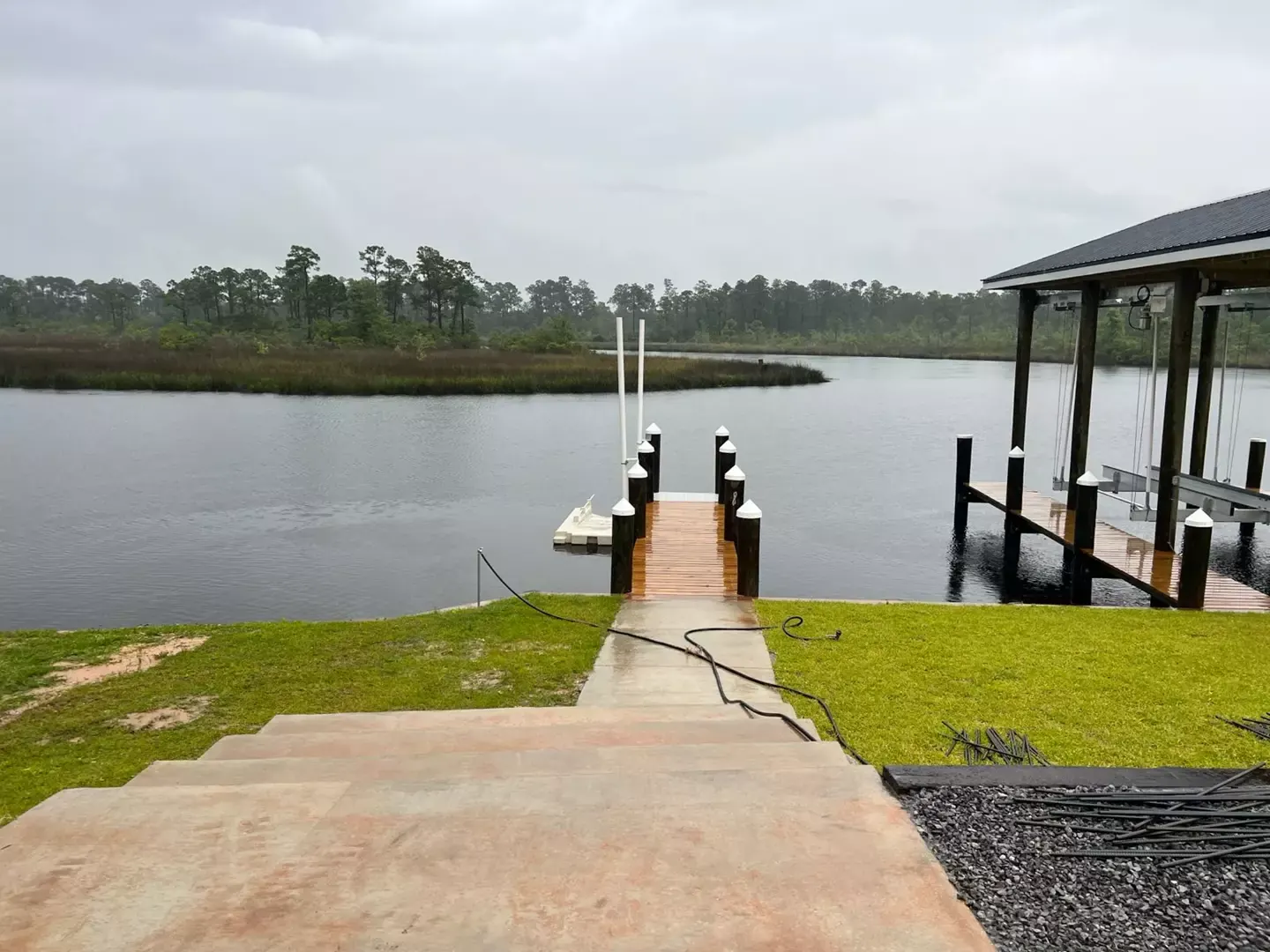
Our company is based here in Ocean Springs, and we have built in town and just outside it, including a home on N 1st St in Gulf Park Estates and a waterfront modern farmhouse with its own private pier and boat lift. This guide is what I tell families at the first conversation, before they sign anything on a piece of land.
Inside the city or out in the county: it changes who you deal with
Many addresses with an Ocean Springs mailing address (ZIP 39564) are not actually inside the city limits. Gulf Park Estates, south of town, and Gulf Hills, across Old Fort Bayou to the north, are both unincorporated communities in Jackson County according to U.S. Census Bureau designations. That matters because the permit office is different.
Inside the city limits, building and planning approvals go through the City of Ocean Springs. In unincorporated areas, permits, zoning and floodplain review are handled by Jackson County. The codes, fees, review times and inspection schedules are not identical, so before you fall in love with a listing, confirm with the seller, your title company or the county parcel records which side of the line the lot sits on.
Areas people ask about, and what each one usually means for a build
Downtown and the streets around Washington Avenue are walkable, full of character and close to restaurants and the harbor. Lots here tend to be smaller, older houses may need to come down first, and parts of this area fall inside a historic district (more on that below).
Front Beach Drive and the blocks near the water carry the view and the breeze, and also the strongest exposure to storm surge and the strictest flood requirements. Mature live oaks are common, and they are part of why people want to live there.
Gulf Park Estates offers more typical residential lots, many of them with room for a family home, a garage and a yard. Being in the county, permits follow Jackson County rules.
Gulf Hills and the Fort Bayou area are wooded and hilly by Gulf Coast standards, with lots on or near the bayou. Wooded lots are beautiful, but clearing, drainage and driveway access add cost that a flat cleared lot does not have.
What to check on a lot before you buy it
The keyword "lots for sale Ocean Springs MS" gets searched a lot, and the listings rarely tell you what matters for building. Before closing on land, I recommend getting answers to these: the FEMA flood zone on the current Flood Insurance Rate Map (FIRM), the base flood elevation, the setbacks and any recorded restrictions or HOA covenants, whether city water and sewer reach the lot or you need a septic system, and where the protected trees are.
Waterfront and bayou lots deserve extra homework. You may need separate approvals for a pier, bulkhead or work near wetlands, and those reviews can come from state or federal agencies on top of the local permit. A survey with elevations and a soil check are worth paying for before you buy, and walk the lot with your builder so you know what can actually fit there.
Flood zones, elevation and wind on the Gulf Coast
Everyone on the coast remembers Hurricane Katrina in 2005, and building rules here reflect it. If a lot sits in a Special Flood Hazard Area (zones such as AE or the coastal VE zone on the FEMA map), the lowest floor has to be built at or above the required elevation, and in VE zones the home typically sits on pilings or piers with open space below. The local floodplain manager sets the exact requirement, and some communities add extra height above the base flood elevation.
Elevation affects more than the foundation. It changes stairs, driveway slope, porch design, how you park and, in a big way, the flood insurance premium. A home built higher than the minimum can also cost less to insure over time, so it is worth asking your insurance agent for a quote on more than one elevation before the design is final.
Wind is the other half. Design wind speeds on the Mississippi Gulf Coast are among the higher ones in the country, which drives roof framing, connections, window ratings and roof covering choices. Some owners also look at the IBHS FORTIFIED Home program, a public standard for stronger roofs that some insurers recognize, and ask about it early so it can be designed in instead of added later.
Live oaks and the historic district
Ocean Springs protects certain trees, live oaks in particular, and removing a protected tree generally requires approval from the city. Local news has covered disputes over protected oaks on Front Beach lots. Ask the city Planning Department which trees on your lot are protected before you design around them, and plan the house, driveway and utility lines to keep their roots healthy.
Ocean Springs also has historic districts listed on the National Register, including the Old Ocean Springs Historic District around Jackson and Washington Avenues near Front Beach. The city has a Historic Preservation Commission that issues Certificates of Appropriateness for work in designated areas. If your lot is inside one, expect a design review on things like massing, rooflines, porches and materials, and add that monthly meeting cycle to your schedule.
Budget and schedule: what actually moves them here
People ask what it costs to build a house in Mississippi, and the honest answer is that the lot drives a big part of it in Ocean Springs. Elevation, fill, clearing, tree protection, septic versus sewer and long utility runs can change the total more than the choice of countertop. Any price you see online is a rough national or regional average, not a quote for your lot.
How long it takes to build a house here depends on approvals as much as construction: a historic review, a tree permit or a waterfront permit can add months before work starts. Lenders that offer a construction loan or construction to permanent loan will also want plans, a contract and a budget before they fund, so line those up early.
At Supreme Contractors Group, I run every project personally, and we manage the lot evaluation, budget, permits, inspections, subcontractors and suppliers. We are a licensed Mississippi residential builder (license #16532) and fully insured, with 20+ years in U.S. construction and 100+ homes and projects completed.
A simple order of steps that avoids most surprises
First, define your budget and the kind of home you want. Second, evaluate lots with a builder before you buy, checking flood zone, trees, utilities and city or county jurisdiction. Third, design to the lot and the elevation, not the other way around. Fourth, line up financing and insurance quotes on the real plans. Fifth, submit permits and any historic or tree reviews. Only then does construction begin.
If you are looking at a lot in Ocean Springs and want a second set of eyes on it, we offer a free consultation. I speak English, Portuguese and Spanish, and I will tell you plainly what that lot will need before you commit. Always confirm the final requirements with the city or county building department, the floodplain manager, your lender and your insurance agent.
Frequently asked questions
- Do I get a building permit from the City of Ocean Springs or Jackson County?
- It depends on where the lot is. Inside Ocean Springs city limits, the city handles building and planning approvals. Unincorporated areas with an Ocean Springs mailing address, such as Gulf Park Estates and Gulf Hills, go through Jackson County. Check the parcel records before you buy.
- Can I remove live oaks on my lot in Ocean Springs?
- Ocean Springs protects certain trees, especially live oaks, and removal generally needs city approval. Ask the Planning Department which trees on your lot are protected before you design the house, because a protected oak can limit where the home and driveway go.
- How high does a new home need to be built in Ocean Springs?
- It depends on the FEMA flood zone and base flood elevation for your lot, plus any extra height the local floodplain manager requires. Homes in coastal VE zones are typically on pilings. Get the exact requirement from the floodplain manager before design starts.
- Is there a historic review for new homes in Ocean Springs?
- If the lot is inside a designated historic area, the city Historic Preservation Commission reviews the project and issues a Certificate of Appropriateness. Expect review of the design, porches, rooflines and materials, and plan for its monthly meeting schedule.
Related services
Serving
Found this helpful? Make us a preferred source on Google.
Ready for an exact price?
Get a free, no-pressure in-home estimate. Real numbers for your home, not a phone guess.