
Construction Loans Explained: How Financing a New Home Works in Mississippi
· By Lino Aviz
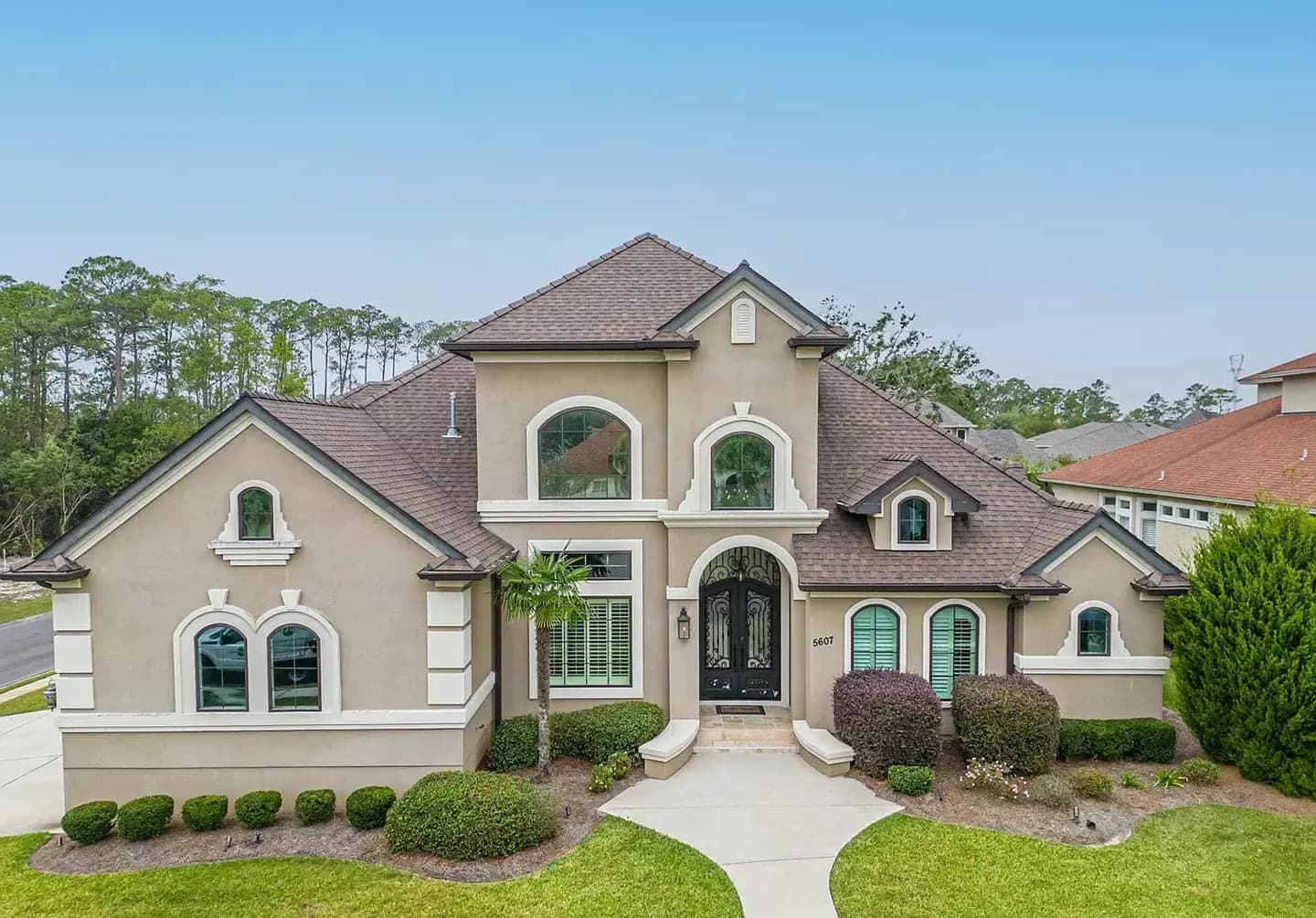
A construction loan is the financing most families use to build a new home instead of buying one that already exists. It works differently from a regular mortgage, and the differences surprise a lot of first-time builders on the Mississippi Gulf Coast. The money is not handed over all at once, the bank sends inspectors to the job, and the house that secures the loan does not exist yet on closing day.
I have been building homes in the U.S. for more than 20 years, and one thing I tell every family at the first meeting is simple: we are builders, not lenders. Supreme Contractors Group does not offer financing. What we do is hand your lender the detailed budget, the contract and the paperwork they need to approve and manage the loan. This guide explains how the process usually works so you walk into the bank with the right questions.
How a construction loan works
With a normal mortgage, the bank pays the seller one time and you start making payments. With a construction loan, the bank approves a total amount based on the plans, the budget and the appraised value, and then releases that money in stages as the house goes up. Those stages are called draws.
During the build, many construction loans are interest-only. You typically pay interest only on the money that has already been drawn, not on the full approved amount. So the payment is small at the start, when only the foundation has been paid for, and grows as framing, roofing, mechanicals and finishes are completed. Your lender will explain exactly how their payments are calculated, and that is a question worth asking early.
Construction-only vs construction-to-permanent loans
There are two main structures. A construction-only loan covers the building phase. When the house is finished, you pay it off with a separate permanent mortgage. Because there are two loans, this is often called a two-time close: two applications, two approvals, two sets of closing costs. The upside some borrowers like is flexibility, since you can shop for the permanent mortgage once the home is done.
A construction to permanent loan rolls both phases into one. You close once, before construction starts, and when the house is complete the loan converts into a regular mortgage. This is the one-time close (also called single close). The appeal is fewer closings and less paperwork, and with some programs the rate is set at the start. The trade-off is that you commit to the permanent terms before the first board is cut. Which one fits you depends on your finances, and that is a conversation for your lender, not your builder.
Draws, inspections and why paperwork matters
Each draw is tied to progress. When a phase is complete, the builder requests the draw, the lender sends an inspector (or uses a third-party inspection company) to confirm the work is in place, and then the funds are released. Many lenders also want lien waivers from subcontractors and suppliers, which show that the people who did the work were paid.
This is where the builder makes a real difference. Draws move faster when the budget is broken out clearly, the schedule of values matches the work on site, and the documents are clean. On our projects I manage the budget, permits, inspections, subcontractors and suppliers personally, so when a lender asks for something, they get it from the person who is actually running the job.
Keep in mind that county or city building inspections are separate from the lender's draw inspections. One checks code compliance, the other checks that the bank's money went into the house. You will see both on a new build.
Down payment, appraisal and using your lot as equity
Down payment requirements vary a lot by program and by lender. As a rough guide, conventional construction loans often ask for a larger down payment than a standard home purchase, while government-backed programs can ask for much less. Do not assume a number. Ask two or three construction lenders what they require for your situation.
The appraisal on a construction loan is usually done "as completed." The appraiser looks at your plans, specifications and budget and estimates what the finished home will be worth. That value, together with your total project cost, drives how much the lender will approve. A detailed, realistic budget helps here, because vague allowances make it harder for the appraiser and the underwriter to see what is being built.
If you already own your lot, many lenders will count its value (or your equity in it) toward the down payment. If you are still shopping for land, some families use a lot loan first and then roll it into the construction loan later. Rules differ from bank to bank, so ask how they treat land you own outright versus land you are still paying off.
VA, FHA and USDA construction loans
Government-backed construction financing does exist, though not every lender offers it. A VA construction loan can let eligible veterans and service members use their VA home loan benefit to build. An FHA construction loan is typically offered as a one-time close product with a lower down payment than many conventional options. A USDA construction loan is available through USDA Rural Development's Single Close Construction-to-Permanent program, which is limited to eligible rural areas and income limits; USDA publishes those maps and limits on its website.
These programs have their own rules for the borrower, the property and often the builder. Ask the lender directly which ones they actually close, and check eligibility for your specific address before you fall in love with a floor plan.
What the lender will ask from your builder
Construction lenders are lending against a house that does not exist yet, so they look closely at who is building it. Expect them to ask for the builder's state license, proof of general liability insurance (and often builder's risk coverage on the project), a signed construction contract, a detailed line-item budget, plans and specifications, and a draw schedule. Some lenders also run their own builder approval process with references and past projects.
Supreme Contractors Group is a licensed Mississippi residential home builder (license #16532 with the Mississippi State Board of Contractors) and we carry insurance. We prepare the detailed budget, contract and documents your lender requests. The choice of lender is always yours; we make sure they get what they need from our side.
A practical order of steps on the Gulf Coast
Here is the order that tends to work best for families building in Ocean Springs, Gulfport and nearby towns. First, talk to a lender to get a sense of your budget and which loan type fits. Second, confirm your lot: flood zone on the FEMA flood map, base flood elevation if it applies, utilities and access. Your local building department or floodplain manager can tell you what elevation and construction rules apply. Third, sit down with a builder to turn plans into a real budget. Fourth, go back to the lender with that budget and contract for the appraisal and approval.
Insurance belongs in that planning too. On the Mississippi Gulf Coast, homeowners and flood insurance costs can shape the monthly payment as much as the interest rate, so get insurance quotes before you finalize the plans.
If you want to start with step three, we offer a free consultation. We will walk through your lot, your plans and your budget, and give you the documents your lender will ask for.
Frequently asked questions
- Does Supreme Contractors Group offer construction loans?
- No. Supreme Contractors Group is a home builder, not a lender, and does not offer financing. We provide the detailed budget, construction contract and documentation that your chosen lender asks for.
- What is the difference between a one-time close and a two-time close construction loan?
- A one-time close (construction to permanent loan) uses a single closing that covers the build and then converts to a regular mortgage. A two-time close uses a construction-only loan for the build and a separate mortgage afterward, which means two closings and two sets of costs.
- Do I pay the full mortgage payment while my house is being built?
- Usually not. Many construction loans are interest-only during the build, and interest is typically charged only on the money already drawn. Payment terms vary by lender and program, so confirm the details with your lender.
- Can my land count toward the down payment on a construction loan?
- Often, yes. Many lenders will count the value or equity of a lot you already own toward the down payment. How they treat it depends on the lender and on whether the lot is paid off, so ask each lender you talk to.
Related services
Found this helpful? Make us a preferred source on Google.
Ready for an exact price?
Get a free, no-pressure in-home estimate. Real numbers for your home, not a phone guess.