
Cost to Build a House in Mississippi: What Drives a Custom Home Budget in 2026
· By Lino Aviz
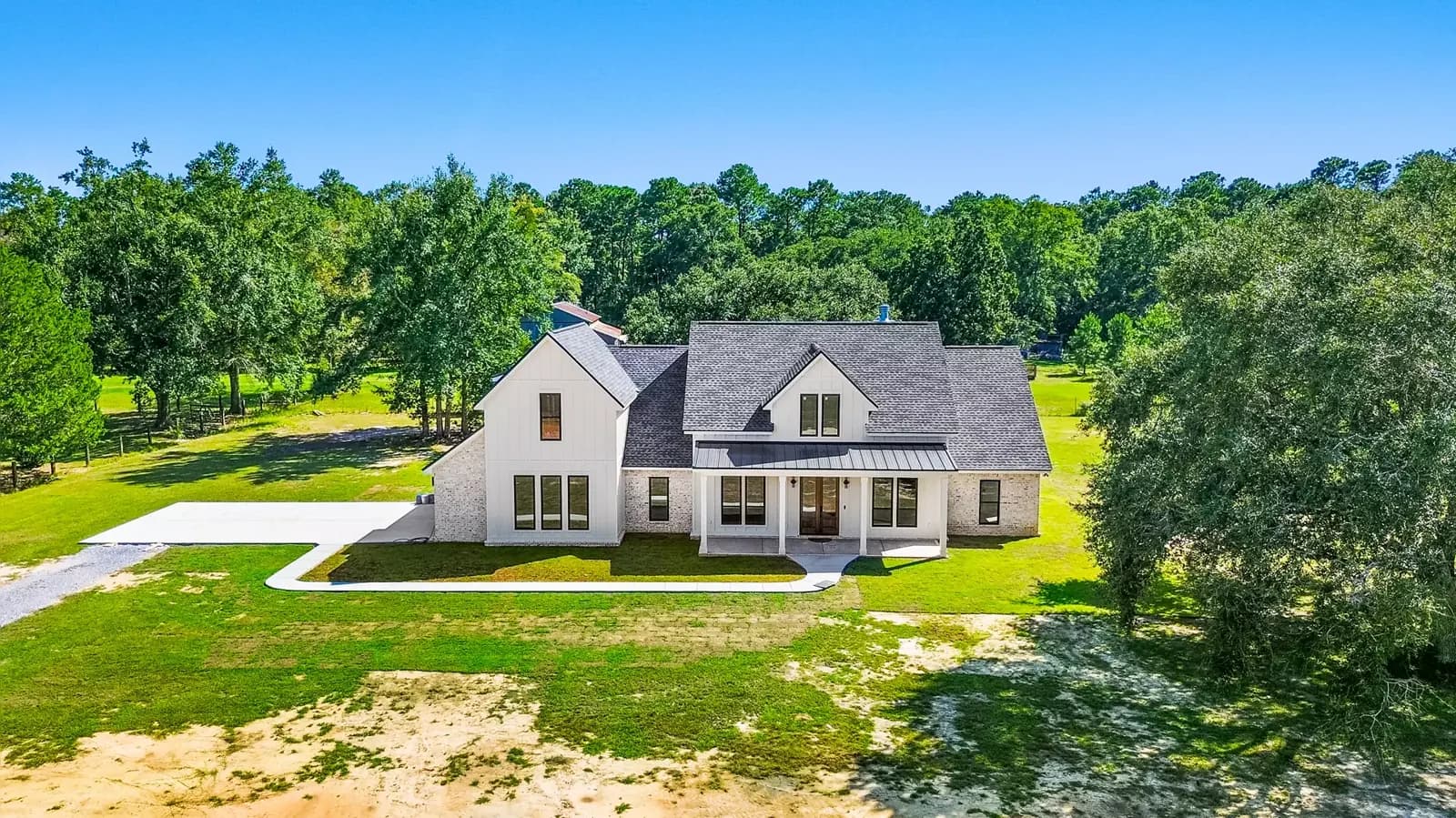
The cost to build a house in Mississippi depends less on a single price per square foot and more on a handful of decisions you make before the first board goes up: where the lot is, how high the house has to sit, how it is built to handle wind, and what you choose to put inside it. Two homes with the same floor plan can land far apart once those choices are made.
I have been building in the U.S. for more than 20 years, and most of my work now is on the Mississippi Gulf Coast. This guide walks through the real cost drivers for a custom home here in 2026, with national benchmarks where public data exists, so you can build a budget that holds up when the bids come in.
A national benchmark before we talk about the coast
The most useful public reference is the National Association of Home Builders (NAHB) Cost of Constructing a Home survey. In its most recent edition, based on builder responses from 2024, NAHB reported an average construction cost of about $428,215 for a single-family home of roughly 2,647 square feet, or about $162 per square foot. That number covers construction only. It does not include the lot, financing, marketing or builder profit.
In the same survey, construction costs made up about 64.4% of the average sales price and the finished lot about 13.7%. NAHB also broke construction down by stage: interior finishes were the largest slice (about 24.1%), followed by major systems rough-ins like plumbing, electrical and HVAC (about 19.2%), framing (about 16.6%), exterior finishes (about 13.4%), foundations (about 10.5%) and site work (about 7.6%).
Treat these as a rough guide, not a quote. They are national averages across many markets and mostly cover production homes. A custom home on the Gulf Coast typically shifts weight toward foundations, site work and exterior protection, which is exactly where the next sections focus.
The lot: price, clearing and utilities
Buyers searching for lots for sale in Ocean Springs or Gulfport often compare only the sticker price of the land. The real number is the lot plus what it takes to make it buildable. A wooded lot may need clearing, stump removal and fill. A lot without city water and sewer may need a well and a septic system, which requires its own permitting and soil evaluation.
Before you buy, ask three questions: Which flood zone is it in? Are water, sewer, power and gas at the road? What does the soil look like? A low lot price can be erased quickly by fill dirt, a long utility run or a septic design. When we help a family with a lot, this is the first thing we walk through, because it shapes every number after it.
Flood zones, elevation and foundation type
On the coast, the foundation is often the biggest swing in the budget. FEMA Flood Insurance Rate Maps (FIRMs) assign each property a flood zone and, where applicable, a Base Flood Elevation (BFE). Homes in mapped flood zones generally must have the lowest floor at or above the BFE, and many local ordinances add freeboard, which means building a set amount higher than the minimum.
That requirement decides your foundation. A lot outside the mapped flood zone may work with a standard slab or a raised slab. A lot in an A zone may call for a stem wall, piers or a raised foundation. A lot in a coastal V zone usually requires an open foundation on pilings or columns designed to let water pass underneath. Each step up adds engineering, materials and labor, and taller homes often need more stairs, longer utility runs and sometimes an elevator or lift for accessibility.
Confirm the flood zone and BFE for your exact parcel with the local floodplain manager before you design. It is far cheaper to plan the right foundation on paper than to change it after the plans are drawn.
Wind-rated construction and what it adds
Since Hurricane Katrina in 2005, coastal counties including Jackson County (Ocean Springs) and Harrison County (Gulfport) have been required to enforce the wind and flood provisions of the International Residential Code. In practice that means continuous load paths with straps and hold-downs, stronger roof sheathing and fastening, and windows and doors rated for the design wind speed or protected with shutters.
Many owners also look at the IBHS FORTIFIED Home program, a public standard from the Insurance Institute for Business & Home Safety. A fortified roof usually means a sealed roof deck, ring-shank nails and upgraded roof covering details. These features add cost up front, so ask your insurance agent whether they could lower your wind premium before you decide. A hurricane-resistant house is never hurricane proof, but good details make a real difference in how a home performs.
Permits, insurance and the soft costs people forget
Soft costs are the line items that are not lumber or labor: house plans, engineering, surveys, soil tests, building permits, impact or tap fees, builder's risk insurance during construction, and the elevation certificate you will need for flood insurance. Individually they look small. Together they can be meaningful, so put them in the budget from day one.
Financing is part of this too. A construction loan or construction to permanent loan usually carries interest during the build, and some families use FHA, VA or USDA construction loan programs. Talk to a lender early so you know your real ceiling before you pick finishes. Ongoing flood and wind insurance also affect what the home costs you every year, which is why elevation and wind details are worth discussing with your agent during design.
Finishes: where your choices control the number
Interior finishes are the largest slice of construction cost in the NAHB data, and they are where custom homes vary the most. Cabinets, countertops, flooring, tile, plumbing fixtures, lighting and appliances can each range from builder grade to high end. Square footage matters, but the finish list often matters just as much.
A practical approach is to choose two or three areas that matter most to your family, like the kitchen and the main bath, and keep the rest simple and durable. Locking in finish selections before construction starts also helps avoid change orders, which are one of the most common reasons a custom home budget creeps up.
How to get a reliable number for your home
The only number that matters is the one built for your lot and your plan. To get there you need the flood zone and BFE, a site evaluation, a floor plan with a basic finish level, and a clear list of what is and is not included in each bid. Compare bids line by line, not just the total.
At Supreme Contractors Group, I run every project personally, and we manage the lot, budget, permits, inspections, subcontractors and suppliers. We are a licensed Mississippi residential home builder (license #16532) and insured. If you are planning a custom home in Ocean Springs, Gulfport or nearby, a free consultation is a simple way to walk through your lot and get a budget grounded in real conditions. I speak English, Portuguese and Spanish.
Frequently asked questions
- How much does it cost to build a house in Mississippi in 2026?
- There is no single answer because the lot, flood zone, foundation, wind requirements and finishes change the total a lot. As a national reference, the NAHB Cost of Constructing a Home survey reported average construction costs of about $162 per square foot for 2024, not counting the lot. Coastal Mississippi homes that need elevated foundations or extra wind protection can run higher, so get a site-specific estimate.
- Why does building on the Mississippi Gulf Coast cost more than inland?
- Coastal lots are more likely to sit in FEMA flood zones that require the lowest floor at or above the Base Flood Elevation, which can mean raised foundations or pilings. Coastal counties also enforce the wind provisions of the International Residential Code, adding straps, upgraded roofing and rated windows. Both add materials, engineering and labor.
- Is a FORTIFIED roof worth the extra cost?
- It depends on your insurance and goals. The IBHS FORTIFIED Home program sets stronger roof standards, and some insurers may offer wind premium discounts for qualifying homes. Ask your insurance agent for numbers on your specific home before deciding, and weigh the upfront cost against the potential savings and peace of mind.
- What should I check before buying a lot to build on?
- Check the FEMA flood zone and Base Flood Elevation with the local floodplain manager, confirm whether water, sewer, power and gas are available at the road, and ask about soil conditions and clearing. These items can add significant cost to a lot that looks inexpensive at first glance.
Related services
Found this helpful? Make us a preferred source on Google.
Ready for an exact price?
Get a free, no-pressure in-home estimate. Real numbers for your home, not a phone guess.