
Full Home Renovation: What to Expect, Step by Step (Mississippi Gulf Coast)
· By Lino Aviz
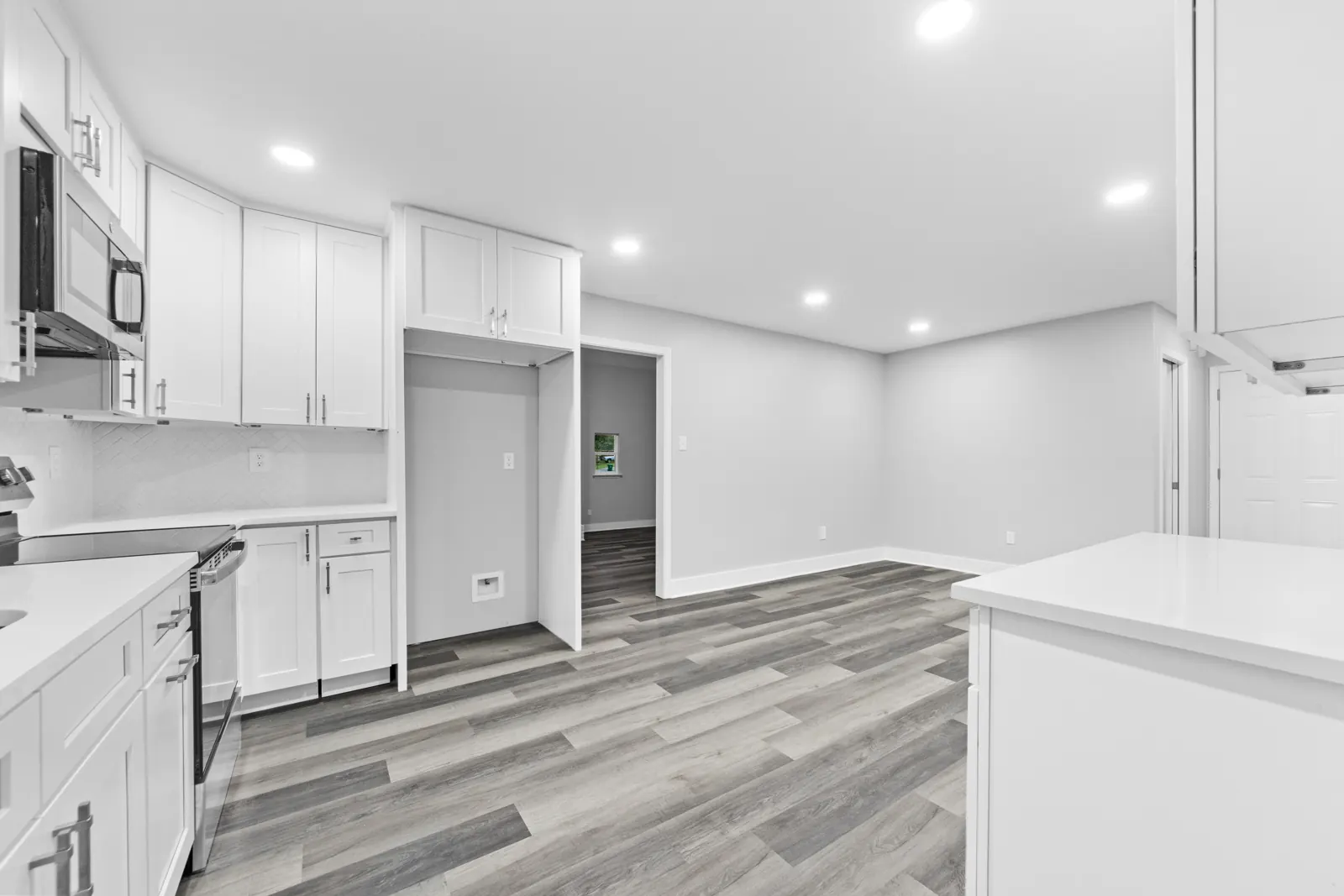
A full home renovation is one of the biggest projects a homeowner can take on, and on the Mississippi Gulf Coast it comes with a few extra variables: humidity, older framing, storm history and, in many neighborhoods, flood zone rules. Knowing what happens and in what order takes a lot of the stress out of it.
I have spent more than 20 years in U.S. construction, and the renovations that go well almost always share the same traits: a clear scope, a realistic budget with room for surprises, permits handled up front, and one person who owns the schedule. Here is how a whole house renovation typically unfolds, step by step.
Step 1: Define the scope before anyone swings a hammer
Start with a written list of what you want changed and why. "Open the kitchen to the living room, redo both bathrooms, new flooring throughout, replace the windows" is a scope. "Update the house" is not. The more specific the list, the more accurate the pricing and the fewer arguments later.
Separate must-haves from nice-to-haves. When the numbers come back, you will want an easy way to trim without losing the parts that matter most to how your family lives in the house. A good contractor walks the house with you, opens a few access panels, looks in the attic and under the house if it is raised, and tells you honestly where the risks are before the price is set.
Step 2: Budget for what you can see, and plan a contingency for what you cannot
No one can see inside a wall until it is open. That is why experienced home renovation contractors build a contingency into the budget. As a rough guide, many remodelers suggest setting aside somewhere around 10 to 20 percent of the project cost, leaning toward the higher end for older homes. Treat that as a planning range, not a quote, and ask your contractor what they recommend for your specific house.
Get the price broken down by area or trade so you can see where the money goes. Ask which items are allowances (for example, a set amount for tile or light fixtures you have not picked yet), because choosing finishes above the allowance is one of the most common ways budgets grow.
What older Gulf Coast houses tend to hide
Coastal homes live in heat and humidity most of the year, and many have been through more than one major storm, including Hurricane Katrina in 2005. When we open walls and floors in an older house renovation, these are the findings that come up most often:
Moisture and mold behind drywall, under windows and around old plumbing. Termite damage in sill plates, floor joists and door frames. Outdated or undersized wiring that will not support a modern kitchen or new HVAC. Patched storm damage, like roof decking or framing that was repaired quickly years ago and never done right. Plumbing materials that are past their useful life.
None of this is a reason to panic. It is a reason to have the contingency in place and a contractor who stops, shows you what was found, explains the options and prices the fix before moving on.
Permits, inspections and the FEMA 50 percent rule
Structural changes, electrical, plumbing, mechanical and most window or roof work require permits from your city or county building department, followed by inspections at set stages. Permits protect you: they create a record that the work was checked, which matters for insurance and when you sell.
If your home sits in a FEMA Special Flood Hazard Area, there is one more rule to know before you finalize the scope. Under federal National Flood Insurance Program regulations (44 CFR 59.1), a "substantial improvement" is any reconstruction, rehabilitation or addition whose cost equals or exceeds 50 percent of the market value of the structure before work starts. Market value here generally means the building only, not the land.
When a project crosses that line, the whole house typically has to be brought up to current flood standards for new construction, which can mean elevating it. That can change a renovation completely. Before you commit, talk to your local floodplain manager about how your community calculates market value and whether it tracks improvements over time, and check with your insurance agent and lender as well.
The order of the work
Every house is different, but a full renovation generally follows this sequence: design and selections, permits, demolition, structural repairs and framing changes, rough-in for plumbing, electrical and HVAC, inspections, insulation, drywall, then finishes such as cabinets, flooring, tile, trim, paint and fixtures.
The reason for this order is simple: you never want to close a wall before the systems inside it are inspected, and you never want finished floors down while heavy work is still going on. Lead times on windows, cabinets and specialty items are often the real driver of the schedule, which is why we push to finalize selections early.
Living in the house, change orders and the punch list
Can you stay in the home? For a single room, often yes. For a whole house renovation with demolition in kitchens and bathrooms, dust, noise and shut-off utilities make it hard, especially with kids or pets. Many families plan to move out for the heaviest phases and come back for finishes. Decide this early, because it affects both the schedule and your budget.
Change orders are written agreements for anything added, removed or changed after the contract is signed. They should list the work, the cost and any effect on the timeline, and you should sign them before the work happens. Changes are normal; surprises on the final invoice should not be.
At the end, you and the contractor walk the house together and make a punch list: small items like touch-up paint, a cabinet door that needs adjusting, a missing outlet cover. The project is finished when that list is closed, not before.
Planning a home renovation in Biloxi, Gulfport or nearby?
Supreme Contractors Group is a licensed Mississippi residential builder (license #16532, Mississippi State Board of Contractors) and insured, based in Ocean Springs. I run every project personally, including permits, inspections, subcontractors and suppliers, and if something in our workmanship is not right, we fix it at no cost.
We work across Ocean Springs, Biloxi, Gulfport, Vancleave, Gautier and Pass Christian, and I speak English, Portuguese and Spanish. If you are weighing a full house renovation, start with a free consultation. We will walk the house, talk through scope and budget honestly, and point out anything, including flood zone questions, you should confirm before you commit.
Frequently asked questions
- How much contingency should I plan for a full home renovation?
- As a rough guide, many remodelers recommend setting aside around 10 to 20 percent of the project cost for hidden conditions, with older homes leaning toward the higher end. It is a planning range, not a quote, so ask your contractor what fits your house after a walkthrough.
- What is the FEMA 50 percent rule for renovations?
- In a FEMA Special Flood Hazard Area, if the cost of improvements equals or exceeds 50 percent of the market value of the structure before work begins, it is considered a substantial improvement under 44 CFR 59.1. The house then typically must meet current flood standards, which can require elevation. Confirm the details with your local floodplain manager.
- Do I need permits for a home renovation in Mississippi?
- Most structural, electrical, plumbing, mechanical, window and roof work requires a permit from the city or county building department, plus inspections during the job. Requirements vary by jurisdiction, so check with your local building department or have your licensed contractor pull the permits.
- Can I live in my house during a whole house renovation?
- It depends on the scope. Small projects can often be done while you live there, but a full renovation with kitchen and bathroom demolition usually means dust, noise and utility shutoffs. Many families move out for the heaviest phases and return for the finish work.
Related services
Serving
Found this helpful? Make us a preferred source on Google.
Ready for an exact price?
Get a free, no-pressure in-home estimate. Real numbers for your home, not a phone guess.