
Home Addition vs Moving: How to Decide on the Mississippi Gulf Coast
· By Lino Aviz
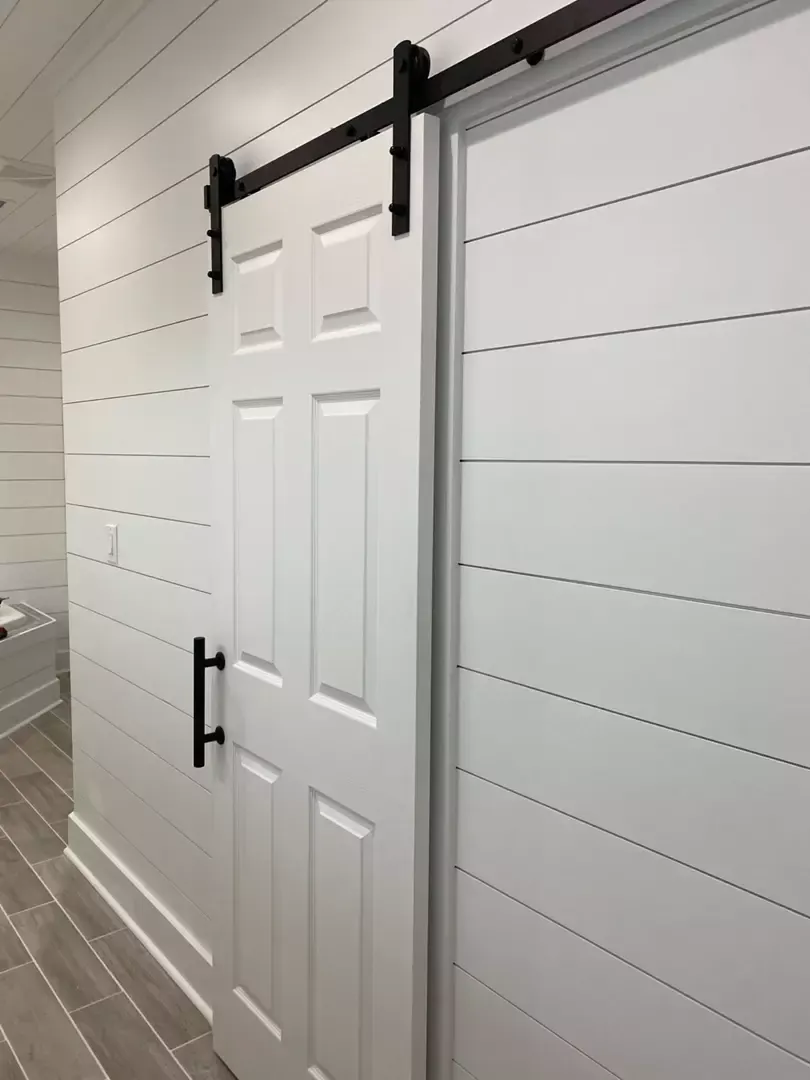
A home addition is often the first idea people have when the house gets tight: a baby on the way, a parent moving in, kids who need their own rooms, or a home office that has outgrown the kitchen table. The second idea is usually "maybe we should just move." Both can be the right answer. The wrong answer is picking one before you put real numbers next to each other.
I have spent more than 20 years in construction in the U.S., and on the Mississippi Gulf Coast the decision has a few local twists that people from other places do not always expect: flood zones, setbacks on older lots, and the way hurricane exposure affects insurance. Here is how I walk families through it.
What Moving Really Costs (Beyond the New Price Tag)
When people compare an addition to moving, they tend to compare the cost of the addition to the price difference between their house and a bigger one. That leaves out a lot of money. Selling a home usually means agent commissions (which are negotiable and vary by agreement), seller closing costs, repairs the buyer asks for after inspection, and sometimes concessions. Buying the next house brings its own closing costs, lender fees, a new appraisal and inspection, and title work.
Then there is the move itself: movers or a rented truck, possibly storage, overlap months if the timing does not line up, and the small things that add up fast, like new blinds, appliances that do not fit, or a fence for the dog. As a rough guide, many families find that the "transaction cost" of moving, before they spend a dollar on the bigger house, is a meaningful slice of their home value. Ask a local agent and lender for a written estimate on both sides of the deal so you are comparing real figures.
Your Current Mortgage Rate Is Part of the Math
This one gets overlooked. If you bought or refinanced when rates were low, moving means giving up that rate and financing a bigger loan at whatever rates are today. Even a modest difference in rate on a larger balance can change your monthly payment more than the extra square footage is worth to you.
An addition lets you keep your existing first mortgage and finance only the new space, whether through savings, a home equity line, a cash-out refinance, or a renovation or construction loan. Each option has trade-offs, and terms change often, so sit down with your lender and compare monthly payments for both paths side by side. That single comparison settles the question for a lot of families.
Home Addition Options: Bump-Out, Second Story, Master Suite or Sunroom
Not every home addition is a big project. A bump-out pushes one wall out a few feet to enlarge a kitchen, bathroom or bedroom. It is usually the simplest structural change, though it still needs a foundation, roof tie-in and permits. A master suite addition (bedroom, bath and closet) is one of the most common requests we see because it adds real daily comfort and tends to appeal to future buyers.
A second story doubles living space without using more of the lot, but it means confirming the existing foundation and framing can carry the load, and it usually means living elsewhere for part of the job. A sunroom addition is a lighter option that brings in natural light, though in our climate you want it insulated, properly glazed and conditioned if you plan to use it in August. As a rough guide, cost depends far more on plumbing, foundation work, roof complexity and finishes than on square footage alone, so a walkthrough with a home addition contractor will tell you more than any online calculator.
Lot Size, Setbacks and Zoning: Can You Even Build Out?
Before you fall in love with a floor plan, find out how much of your lot you are allowed to use. Most local zoning rules set minimum distances (setbacks) from property lines, limits on how much of the lot can be covered, and sometimes height limits. Older neighborhoods with narrow lots can leave very little room to grow outward, which pushes the project upward or rules it out.
Subdivisions may also have HOA covenants that control rooflines, materials and exterior colors. Check your plat, your deed restrictions and your city or county building department early. If you are in a city like Ocean Springs or Gautier, or in unincorporated Jackson County near Vancleave, the rules come from different offices, so confirm which one has jurisdiction over your address.
Flood Zones and the FEMA 50% Rule
On the Gulf Coast this is the step that can change everything. If your home sits in a Special Flood Hazard Area on the FEMA flood map (FIRM), the National Flood Insurance Program sets a "substantial improvement" threshold. Under FEMA's rule, when the cost of an improvement, including an addition, equals or exceeds 50% of the market value of the structure (not the land) before the work starts, the whole building generally has to be brought into compliance with current floodplain standards. That can mean elevating the house to or above the required flood elevation, which is a very different budget.
Some communities adopt a stricter threshold than 50%, and some count improvements cumulatively over a set period, so do not assume. Look up your flood zone, get an elevation certificate if you do not have one, and talk to your local floodplain manager before design starts. Ask your insurance agent too, because an addition can affect your flood and wind premiums. A smaller addition that stays under the threshold, or a plan that elevates the new space, may keep the project practical.
Resale Value and Living Through the Work
An addition rarely returns every dollar at resale, and it is risky to build the most expensive house on the street. It pays off best when it fixes a real gap, like a three-bedroom home with one bathroom, and when it matches the existing house so it looks original rather than tacked on. If you plan to stay for many years, the value you get from daily use matters more than resale math.
Living in the house during construction is the other honest cost. Expect noise, dust, contractors arriving early, and a period where a wall is open to the new space. Bathroom and kitchen work is harder to live around than a bedroom or sunroom. Plan for pets and kids, ask how the crew will protect the rest of the house, and decide in advance whether a few weeks away makes sense during the messiest phase.
A Simple Way to Decide
Build the addition if you like your neighborhood and schools, have a favorable mortgage rate, have room on the lot, and the flood rules allow it without a full elevation. Lean toward moving if the lot is boxed in, the house needs major work beyond the addition, or the substantial improvement rule would force a project far bigger than you planned.
At Supreme Contractors Group, we are a family building business based in Ocean Springs, licensed as Mississippi residential home builders (license #16532) and insured. I run every project personally, from permits and inspections to subcontractors and suppliers. If you are weighing a home addition in Vancleave, Gautier or anywhere on the Coast, book a free consultation and we will look at your lot, your flood zone and your goals before you spend money on plans.
Frequently asked questions
- Is a home addition cheaper than moving?
- Sometimes, but not always. Moving adds selling and buying costs, moving expenses and possibly a higher mortgage rate, while an addition adds construction cost and disruption. Get written estimates for both, including your lender's monthly payment comparison, before deciding.
- Does the FEMA 50% rule apply to home additions?
- Yes, if your home is in a Special Flood Hazard Area. When the improvement cost equals or exceeds 50% of the structure's pre-project market value, the whole building generally must meet current floodplain rules. Some communities use a lower threshold, so confirm with your local floodplain manager.
- Do I need a permit for a sunroom addition in Mississippi?
- In most cases, yes. A sunroom addition changes the structure, roof and often electrical, so it typically needs a building permit and inspections. Check with your city or county building department, and confirm setbacks and any HOA rules first.
- How do I choose home addition contractors on the Gulf Coast?
- Verify the builder's license with the Mississippi State Board of Contractors, ask for proof of insurance, look at finished additions they built, and make sure they handle permits, inspections and flood zone questions instead of leaving them to you.
Related services
Serving
Found this helpful? Make us a preferred source on Google.
Ready for an exact price?
Get a free, no-pressure in-home estimate. Real numbers for your home, not a phone guess.