
How Long Does It Take to Build a House in Mississippi?
· By Lino Aviz
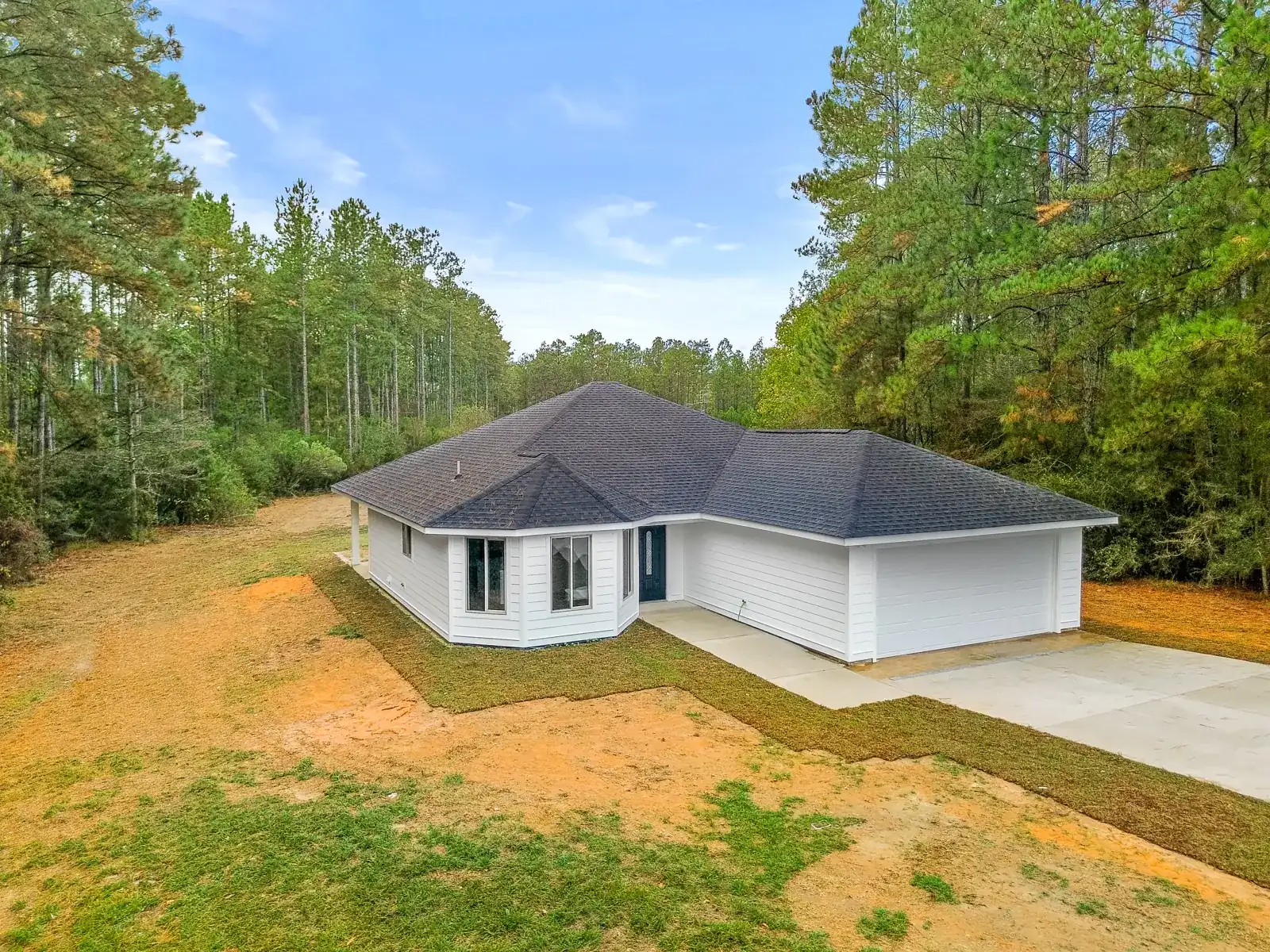
How long does it take to build a house? It is one of the first questions I hear from families on the Mississippi Gulf Coast, and the honest answer is that it depends on more than the framing crew. The clock really starts the day you decide to build, not the day the slab is poured.
In this guide I break the process into its real phases: design, permits and financing before anyone picks up a hammer, then construction phase by phase. I will also cover what slows a build down here on the coast, from hurricane season to inspection scheduling, and what you can do to keep your project moving.
What the national numbers say
The best public benchmark comes from the U.S. Census Bureau's Survey of Construction. According to NAHB's analysis of that survey, a single-family home completed in 2025 took about 8.8 months on average from building permit to completion: roughly 1.4 months from permit to start, and about 7.4 months from start to finish.
That average hides a big spread. In the same data, homes built for sale took about 7.4 months from permit to completion, while homes built by a hired contractor on the owner's land took about 11.7 months, and owner-built homes took about 14.3 months. A custom home falls in that contractor-built group, because every decision is made for one family instead of repeated from a set plan.
Keep in mind those numbers start at the permit. They do not include the months you may spend finding a lot, designing the house and getting a construction loan approved.
Before construction: design, permits and financing
Pre-construction is the phase people underestimate the most. Finding and buying the lot, choosing or drawing the plan, getting a site survey, and checking the flood zone can take a few weeks if you already own land and know what you want, or several months if you are still deciding.
Financing runs in parallel. A construction loan (including construction to permanent, FHA, VA or USDA construction loan programs) usually needs a full set of plans, a detailed budget and a licensed builder before the lender will approve it. Each round of plan changes can send the budget back for another review, so the more decisions you settle early, the faster this goes.
Then come permits. Each city and county on the coast has its own building department, and lots in a FEMA flood zone may also need review by the local floodplain manager for elevation requirements. Review times vary by jurisdiction and by season, so ask your building department what to expect for your address before you set a move-in date.
How long does it take to build a house once work starts?
Once the permit is in hand, construction follows a predictable order, even if the time for each step changes from house to house. As a rough guide, here is how the work is sequenced:
Site work and foundation: clearing, grading, utilities and the slab or raised foundation. On wooded lots like many in Vancleave, clearing and drainage can add time. Homes that need to sit higher because of flood elevation often take longer at this stage.
Framing and dry-in: walls, roof structure, sheathing, roofing, windows and exterior doors. Getting the house dried in is a major milestone, because weather matters much less after that.
Rough-ins: plumbing, electrical and HVAC run through the open walls, followed by inspections before anything gets covered.
Insulation, drywall and interior finishes: cabinets, countertops, flooring, trim, paint and fixtures. This stage often takes longer than people expect, because it involves the most trades and the most selections.
Final inspections and punch list: the building department signs off, and the last details get corrected before you get the keys.
Weather on the Gulf Coast: hurricane season and rain
The Atlantic hurricane season runs from June 1 through November 30. Most days during those months are perfectly workable, but a named storm in the Gulf can stop a job site for days while crews secure materials, and supply deliveries can slow down across the region after a storm.
Heavy rain matters too. Site work, foundation pours and roofing all need dry stretches, and a wet week can push those steps back. A good schedule plans for this instead of pretending it will not happen: getting the house dried in before the peak of the season is one of the smartest things you can do.
Since Hurricane Katrina in 2005, many coast homeowners also ask about stronger roofs and hurricane resistant construction. Upgrades such as the IBHS FORTIFIED roof standard can add steps and inspections, so decide on them during design, not in the middle of the build.
What usually causes delays (and how to avoid them)
Changes after construction starts. Moving a wall or switching a window size after framing means rework, new materials and sometimes a revised permit. Finalize the plan before the permit is submitted.
Late selections. Cabinets, flooring, tile and fixtures can have lead times of several weeks. Choosing them early, ideally before the slab is poured, keeps finish crews from waiting.
Inspection scheduling. Each phase has to pass inspection before the next one begins. A failed inspection or a backlog at the building department can stall the job, which is why it pays to have a builder who knows the local inspectors' requirements.
Loan draws. Construction loans pay out in stages after the lender's inspector confirms progress. Slow draws can hold up subcontractors and suppliers, so ask your lender how their draw process works before you sign.
Labor and material availability. NAHB has pointed to skilled labor shortages and regulation as reasons build times are longer than they were a decade ago. A builder with steady relationships with subcontractors and suppliers is better positioned to keep crews on site.
Planning your timeline with a local builder
The most useful thing you can do is get a schedule built around your lot, your plan and your financing, not a national average. At Supreme Contractors Group, Lino Aviz runs every project personally and manages the lot review, budget, permits, inspections, subcontractors and suppliers, so you have one person accountable for keeping things moving.
We are a family building business licensed as a Mississippi residential home builder (license #16532) with more than 20 years in U.S. construction and 100+ homes and projects completed. We build custom homes across Ocean Springs, Vancleave, Biloxi, Gulfport, Gautier and Pass Christian, and we can talk it through in English, Portuguese or Spanish.
If you are thinking about building, book a free consultation. We will walk through your lot, your plans and the steps ahead so you can set a realistic timeline before you commit.
Frequently asked questions
- How long does it take to build a custom home in Mississippi?
- There is no single number, because lot conditions, design choices, financing and weather all change the schedule. As a national benchmark, NAHB's analysis of the U.S. Census Bureau's Survey of Construction found that contractor-built homes took about 11.7 months from permit to completion in 2025, and that figure does not include design or loan approval.
- Is a spec home faster than a custom home?
- Usually, yes. Homes built for sale use plans and selections that are already decided, and the same Census data showed them finishing in about 7.4 months from permit on average in 2025. A custom home takes longer because every plan detail and finish is chosen for one family.
- Should I avoid building during hurricane season on the Gulf Coast?
- Not necessarily. Hurricane season runs from June 1 through November 30, and most of those days are workable. The key is planning: secure materials when storms approach, and aim to get the house dried in (roof, windows and doors installed) before the busiest part of the season.
- What can I do to keep my build on schedule?
- Finalize the plan before submitting for permits, make finish selections early, confirm how your lender handles draws, and ask your local building department and floodplain manager about review times for your lot. Avoiding changes once construction starts is the biggest single factor you control.
Related services
Found this helpful? Make us a preferred source on Google.
Ready for an exact price?
Get a free, no-pressure in-home estimate. Real numbers for your home, not a phone guess.