
How to Choose a Custom Home Builder in Mississippi (Checklist)
· By Lino Aviz
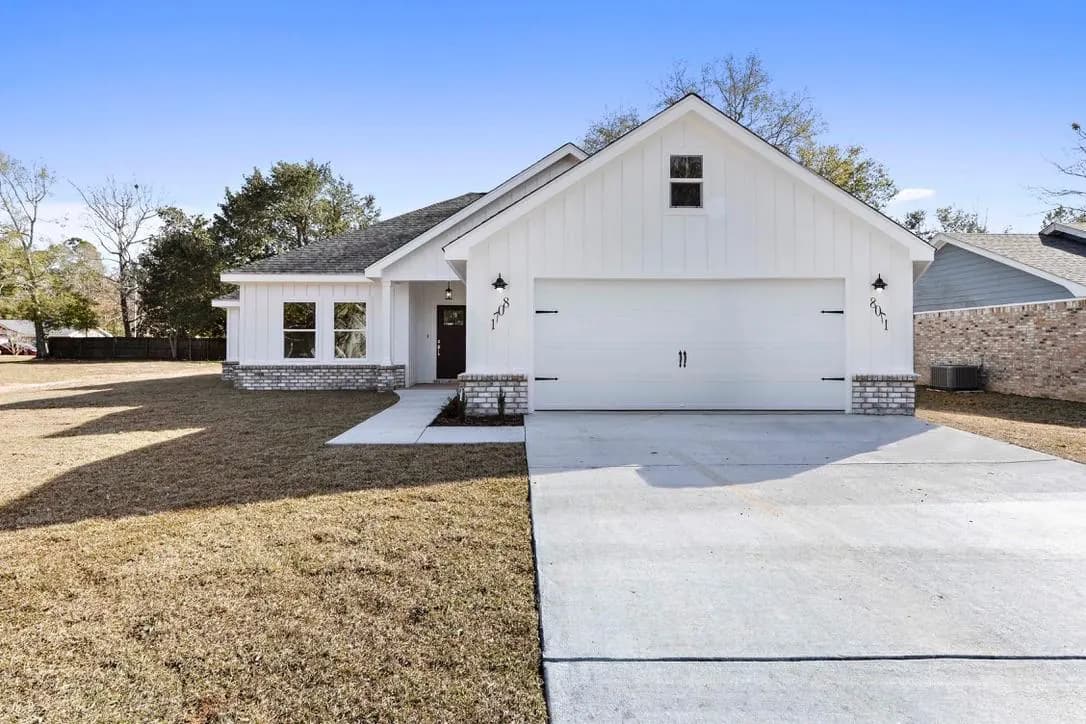
Choosing between custom home builders in Mississippi is the biggest decision in the whole project, bigger than the floor plan or the finishes. A good plan in the wrong hands still turns into delays, surprise invoices and a house you have to fix later. The right builder protects your budget and your time from the first meeting to the final inspection.
I have spent more than 20 years in U.S. construction, and most of the problems I see homeowners deal with could have been avoided with a few simple checks before signing. This checklist walks through those checks in the order I would do them if I were hiring a builder for my own family on the Mississippi Gulf Coast.
Step 1: Check the license on the MSBOC website
In Mississippi, residential contractors are licensed by the Mississippi State Board of Contractors (MSBOC). Based on the board's published license categories, a Residential Builder license generally applies to new home construction above $50,000, and a Residential Remodeler license generally applies to remodeling and repair work above $10,000. Thresholds and rules can change, so confirm the current requirements directly with the board.
You do not have to take a builder's word for it. The MSBOC website (msboc.us) has a consumer section with a public contractor search where you can look up a company by name or license number and see the license type and status. The same site lists violators and explains how to report unlicensed activity. Before you sign anything, search the exact company name on the contract and make sure the license type matches the work: building a new house is not the same as remodeling a kitchen.
Our company is listed there too. Supreme Contractors Group LLC holds Mississippi residential builder license #16532, and you can look it up yourself before we ever talk numbers.
Step 2: Ask for proof of insurance, not a promise
A licensed builder should also carry general liability insurance, which covers damage to property and injuries to third parties caused by the work. If the builder has employees, workers' compensation coverage matters as well, because an injury on your lot without it can turn into a claim that lands on you.
Ask for certificates of insurance and check the policy dates. Many homeowners ask the insurance agent listed on the certificate to confirm the policy is active. Your lender and your own homeowner's insurance agent may have specific requirements too, so loop them in early, especially if you are using a construction loan.
Step 3: Talk to past clients and walk through real homes
Photos on a website are a starting point. What tells you more is a conversation with people who lived through a build with that company. Ask for references from projects finished in the last few years and ask them direct questions: Did the builder answer the phone? Were change orders explained before the work was done? How were problems after move-in handled?
If you can, drive by finished homes or visit a house under construction. Look at the framing, how the site is kept, and whether materials are protected from rain. On the Gulf Coast, where heavy rain and hurricane season are part of life, a clean, organized job site says a lot about how the rest of the project will be run.
Step 4: Get a detailed written contract and a clear draw schedule
A custom home contract should spell out the scope of work, the plans and specifications it is based on, allowances for items you will choose later (cabinets, flooring, fixtures), who pulls the permits, how inspections are handled, and what happens if the schedule slips. Vague language like "standard finishes" leaves room for arguments later.
Payments on new construction are usually tied to stages of the work, often called draws: for example foundation, framing, dry-in, rough-ins, and completion. If you have a construction loan, the lender typically controls the draws and may send an inspector before releasing each one. Be cautious with any builder who asks for a large share of the total before meaningful work is done.
Step 5: Understand change orders and how the builder communicates
Almost every custom home has changes along the way. That is normal. What matters is the process: every change should be written down, priced, and approved by you before the work happens, with any effect on the schedule noted. Ask the builder to show you a sample change order so you know what to expect.
Ask who your day-to-day contact will be and how often you will get updates. Some builders hand projects off to a different person at each phase. At our company, I run every project personally, which means you deal with the same person from the lot and the budget to the final walkthrough, in English, Portuguese or Spanish.
Step 6: Get the warranty in writing
Ask what happens after you move in. A serious builder will explain in writing what is covered, for how long, and how you report an issue. Read it closely and compare it between builders, because the details vary a lot from company to company.
Our own commitment is simple: if something in our workmanship is not right, we fix it at no cost. Whatever builder you choose, make sure their promise is on paper and not just said at the kitchen table.
Red flags that should make you walk away
A few warning signs show up again and again: the license name does not match the company on the contract, or there is no license at all for the type of work; no certificate of insurance; pressure to sign the same day; a big cash deposit before any work starts; a contract with no specifications or no payment schedule; and a builder who suggests skipping permits or inspections to "save time."
Another flag is a price that looks far lower than every other bid. Sometimes it means items were left out of the scope, and the difference shows up later as change orders. Compare bids line by line, not just the total.
If you are planning a custom home, an addition or a full renovation in Ocean Springs, Gulfport, Biloxi or nearby, we offer a free consultation. Bring your lot, your plans or just an idea, and check license #16532 on msboc.us before we meet. That is exactly the kind of homework we want every homeowner to do.
Frequently asked questions
- How do I check if a home builder is licensed in Mississippi?
- Go to the Mississippi State Board of Contractors website, msboc.us, and use the contractor search in the consumer section. Search by company name or license number and confirm the license is active and that the license type matches your project, such as a residential builder license for a new home.
- Does a builder need a license to build a house in Mississippi?
- Based on the MSBOC license categories, new residential construction above $50,000 generally requires a Residential Builder license, and remodeling or repair work above $10,000 generally requires a Residential Remodeler license. Confirm the current thresholds with the board, since rules can change.
- How are payments usually made to a custom home builder?
- Payments are typically made in stages, called draws, tied to completed phases such as foundation, framing, dry-in and completion. When a construction loan is involved, the lender usually manages the draws and may inspect the work before releasing funds.
- What should a custom home building contract include?
- A good contract lists the scope of work, the plans and specifications, allowances for selections, who handles permits and inspections, a payment schedule, how change orders are approved and priced, and the written warranty terms.
Found this helpful? Make us a preferred source on Google.
Ready for an exact price?
Get a free, no-pressure in-home estimate. Real numbers for your home, not a phone guess.