
How to Choose a Lot to Build On in Ocean Springs and the Mississippi Gulf Coast
· By Lino Aviz
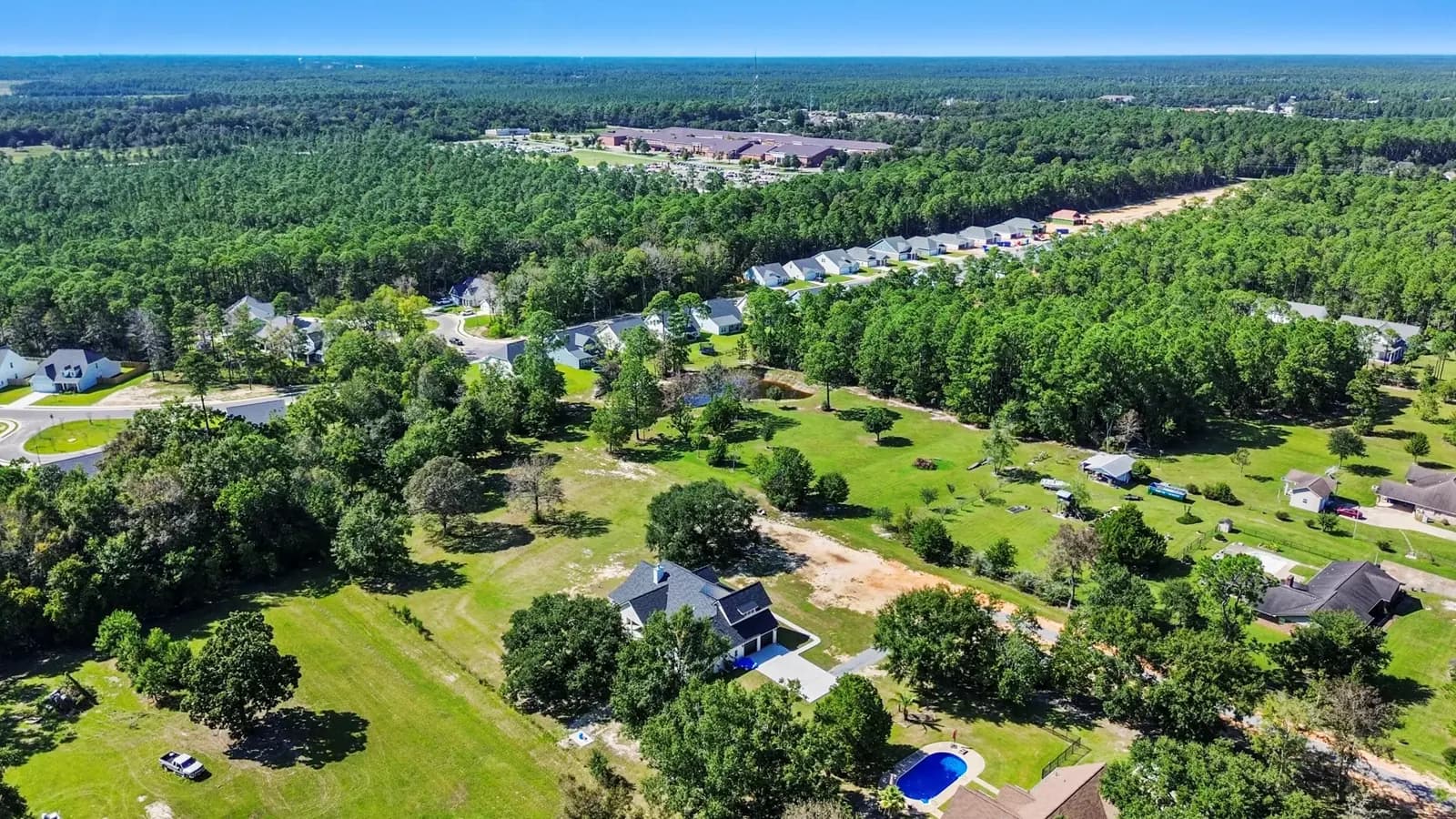
If you are scrolling through lots for sale in Ocean Springs, MS, the price per acre is the least interesting number on the listing. On the Mississippi Gulf Coast, two lots a few streets apart can carry very different flood zones, soil conditions and insurance costs, and those differences show up later in your foundation, your permit and your monthly budget.
I have spent more than 20 years in U.S. construction, and the most expensive surprises I have seen almost always started with the land, not the house. This checklist is what I walk through with families before they sign a purchase contract, whether the lot is in Ocean Springs, Vancleave or Gautier.
Start with the FEMA flood zone and the base flood elevation
Every lot on the coast sits on a FEMA Flood Insurance Rate Map (FIRM). You can look up the map for free on the FEMA Flood Map Service Center (msc.fema.gov) by typing the address. The zone letters matter. Zone AE is a special flood hazard area with a 1% annual chance of flooding, and the map shows a base flood elevation (BFE), the height floodwater is expected to reach in that event. Zone VE is the coastal high hazard area: the same 1% annual chance, plus the added force of storm-driven waves. Zone X is outside the 1% floodplain, either moderate or minimal flood hazard.
Why this matters for a build: in AE and VE zones, the lowest floor (or, in VE, the bottom of the lowest structural member) must be built at or above the BFE, and many communities add extra height on top of that, called freeboard. A VE lot usually means an open foundation on piles or columns, which changes the design and the budget. Ask the local floodplain manager in the city or county building department what the current requirement is for that exact parcel, because maps get revised and local rules can be stricter than FEMA minimums.
Get an elevation certificate and a survey
An elevation certificate is a FEMA form completed by a licensed surveyor or engineer. It records the ground elevations on the lot and, once the house is built, the elevation of the finished floor. The building department uses it to confirm the home complies with the floodplain ordinance, and insurance companies use it to rate your flood policy. If the seller already has one for the lot, ask for a copy. If not, a surveyor can shoot the grade before you close.
A boundary survey is just as important. It confirms the property lines, easements, setbacks and any encroachments. I have seen lots where a drainage easement or utility easement ate a big piece of the buildable area. With the survey in hand, we can sketch where the house, driveway and septic field (if needed) would actually fit before you commit.
Check the soil and look for wetlands
Gulf Coast soils vary a lot from one parcel to the next. Some lots drain well and carry a slab or pier foundation without drama. Others have soft or organic soils that call for a geotechnical soil test and a foundation designed by an engineer. A soil report before purchase costs far less than discovering the problem after the lot is cleared.
Wetlands are the other big question. Low, wooded lots near bayous and marsh can include areas that are regulated. In Jackson, Harrison and Hancock counties, the Mississippi Department of Marine Resources is the point of contact for coastal wetland permits, working with the Department of Environmental Quality and the U.S. Army Corps of Engineers. Filling or clearing a regulated wetland without authorization can stop a project, so if a lot looks wet, ask for a wetland determination before you buy, not after.
Walk the lot after a heavy rain
A flood map does not show everything. Local drainage problems, like water that sits in a low corner, a ditch that backs up, or runoff from the neighbor's higher lot, show up best during and after a hard rain. If you can, visit the property after a storm and look at where the water goes.
Raising the building pad with fill is common, but fill has rules. Depending on the location, the building department may limit fill in the floodplain or require a drainage plan so you do not push water onto adjacent properties. Factor that into the site work budget.
Confirm utilities, access and restrictions
Ask whether city sewer is available at the lot line or whether you will need a septic system. In Mississippi, an individual onsite wastewater system starts with a soil and site evaluation by the Mississippi State Department of Health, which then recommends the type of system that suits the lot. Some lots only qualify for an engineered or advanced system, which typically costs more than a conventional one. Do the same check for public water versus a private well, and confirm where the nearest power service is. Running power or water a long distance can add real cost to a rural parcel in an area like Vancleave.
Next, access. Does the lot front a public, maintained road, or does it rely on a private road or easement? Concrete trucks and material deliveries need a solid way in. Then read every restriction: subdivision covenants, HOA rules, minimum square footage, required materials, architectural review, fence and outbuilding rules. Zoning sets setbacks and height limits. A lot that looks perfect can still forbid the house you want to build.
Price the insurance before you price the house
On the coast, insurance is part of the cost of the lot. Flood insurance is priced by the property's risk, and the elevation of the home plays a big role, which is why building above the BFE can make a difference. Wind and hurricane coverage is a separate question; in the coastal counties, some homeowners end up with coverage through the Mississippi Windstorm Underwriting Association, the state's wind pool, when private carriers will not write it.
Get quotes from an insurance agent with the lot address, the flood zone and the planned design before you close. Ask your lender, too, since a home in a special flood hazard area with a federally backed loan generally requires flood insurance, and the lender will want to see the numbers for a construction loan. Distance from the water is a trade-off: the closer you are to the bay or Sound, the better the view and the higher the exposure to surge, wind and insurance cost. Hurricane Katrina in 2005 showed how far surge can reach, so make that trade-off with eyes open.
Let your builder look at the lot before you buy
At Supreme Contractors Group, managing the lot is part of how we run a custom home build, alongside the budget, permits, inspections, subcontractors and suppliers. That is why I like to see a lot before the purchase contract, not after. A quick look at the flood zone, survey, soil, utilities and restrictions tells us whether the home you want fits the land and what the site work is likely to involve.
We are a licensed Mississippi residential home builder (license #16532) and insured, and the consultation is free. If you are comparing lots for sale in Ocean Springs, Vancleave, Gautier or anywhere along the coast, send us the addresses and we will walk through them with you, in English, Portuguese or Spanish.
Frequently asked questions
- Can I build a house on a lot in a FEMA AE or VE flood zone in Ocean Springs?
- Yes, in most cases, but the home must meet the local flood damage prevention ordinance. That usually means elevating the lowest floor at or above the base flood elevation plus any required freeboard, and in VE zones using an open pile or column foundation. Confirm the exact requirement for the parcel with the local building department before you buy.
- What is the difference between flood zone AE and flood zone X?
- Zone AE is a special flood hazard area with a 1% annual chance of flooding and a mapped base flood elevation. Zone X is outside that 1% floodplain and is considered moderate or minimal flood hazard. Lots in Zone X usually have fewer elevation requirements, but flood insurance is still worth pricing on the coast.
- Do I need a perc test before buying a lot without sewer in Mississippi?
- It is a smart step. The Mississippi State Department of Health does a soil and site evaluation and recommends the type of onsite wastewater system the lot can support. Some lots only qualify for a more expensive engineered system, so knowing that before closing protects your budget.
- Will a builder look at a lot before I buy it?
- Many builders will, and it is worth asking. Supreme Contractors Group reviews lots with clients during a free consultation, looking at the flood zone, survey, soil, utilities and restrictions so you know how the home and site work fit the property.
Related services
Found this helpful? Make us a preferred source on Google.
Ready for an exact price?
Get a free, no-pressure in-home estimate. Real numbers for your home, not a phone guess.